

Honoring the Needs of Older Adults
Across communities, older adults face growing challenges—from managing chronic conditions and navigating housing transitions to dealing with isolation. Many want to age in place but don’t know where to turn for reliable guidance or support.
Where WISE Comes In
We believe growing older should come with dignity, empowerment, and options. At WISE, we help older adults, and their loved ones identify needs, access resources, and create plans that support aging at home, wherever possible. From health assessments to community connections, our services are designed to simplify the journey and strengthen independence every step of the way.
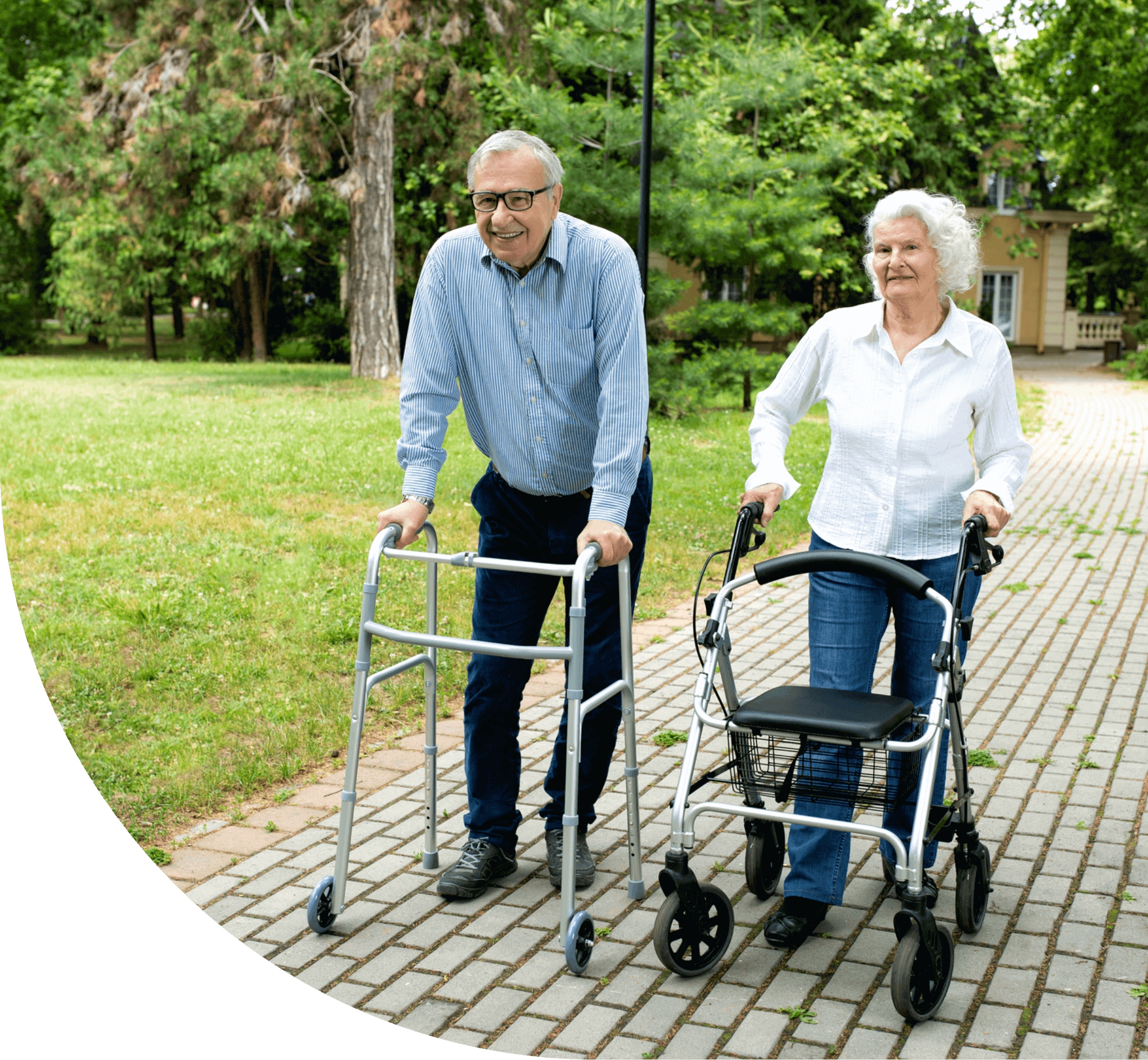

Companion Care
Companion care provides non-medical support to older adults and individuals with disabilities, focusing on emotional well-being and social connection. Unlike personal care, which may include assistance with bathing or medication, companion care centers on day-to-day support and socialization.
Examples Of Companion Care:
- Socialization and Companionship: Conversation to reduce loneliness and boost mood.
- Activities: Puzzles, Games, Cards and Crafts
- Light housekeeping – Helping with tidying up, laundry, or dishes
- Entertainment: Movies, TV and Music
- Meal preparation – Planning and preparing simple meals
- Medication reminders – Prompting individuals to take their medications on time (without administering them).
Transitional Care (Hospital-to-Home)
What Is Transitional Care (Hospital-to-home)
Post-hospital to home care helps individuals transition safely from a medical facility back to their home.
This short-term, non-medical support reduces the risk of readmission and ensures that recovery continues smoothly in a familiar environment.
A WISE Hallmark
Transition of care is at the heart of what we do. Rooted in our founder’s research on patient’s and caregivers’ post-discharge experiences, WISE brings deep insight into the challenges families face during this vulnerable time. We don’t just understand the system—we walk with you through it.
Why It Matters
Returning home after surgery, illness, or injury can be overwhelming—especially for older adults. Having the right support in place helps prevent complications, encourages healing, and eases stress for both the individual and their caregivers.
Examples of Post-Hospital to Home Care
- Discharge coordination – Helping understand discharge instructions, and follow-up appointments.
- Home setup and safety checks – Preparing the home environment for mobility, rest, and recovery.
- Assistance with daily routines – Support with, meal prep, or walking during recovery.
- Transportation support – Coordinating or providing rides to follow-up medical appointments.